 11
11
Looking at a watches price list can feel a bit overwhelming, especially when you’re just starting out. There are so many brands, styles, and prices, it’s hard to know where to begin. You might wonder if you’re getting a good deal or if a certain watch is worth the cost.
Don’t worry, it’s completely normal to feel this way! This guide will make it super simple. We’ll walk through everything step by step so you can feel confident about choosing your next watch.
Get ready to learn what’s really important without any confusing jargon.
The cost of a watch can vary a lot. Some watches are very cheap, costing only a few dollars, while others can be incredibly expensive, costing as much as a car. This big difference in price comes from many things.
Brands, the materials used to make the watch, and the special features it has all play a big part. Learning about these things helps you understand why one watch costs more than another. It’s like understanding why a basic shirt costs less than a fancy suit.
The name on the watch, or the brand, is a major factor in its price. Well-known brands that have been making watches for a long time often cost more. This is because people trust them to make good quality watches.
They also spend money on advertising and have a history that people admire. Think of brands like Rolex or Patek Philippe; they are famous for being very expensive, but people pay for their history and prestige.
Brands develop a reputation over many years, sometimes centuries. This reputation is built on consistent quality, craftsmanship, and sometimes, historical significance. A brand that has been awarded for its watchmaking skills or has been trusted by royalty will naturally command higher prices.
For example, a watch from a luxury brand like Omega might cost thousands of dollars. This price reflects not just the materials and mechanics, but also the brand’s heritage. A lesser-known brand might offer similar technical features, but without the established name, its price will likely be lower.
What a watch is made of also greatly affects its price. Watches can be made from many different things. Common materials include stainless steel, which is strong and doesn’t rust easily.
Gold is used for luxury watches because it’s valuable and looks beautiful. Some watches use titanium, which is very light but also very strong. Even the glass covering the watch face can change the price.
Stronger glass, like sapphire crystal, costs more than regular glass.
The choice of materials goes beyond just appearance. It impacts the watch’s durability, weight, and how it feels on the wrist. Stainless steel, often 316L surgical grade, is popular for its resistance to corrosion and scratches.
It offers a good balance between cost and quality.
Precious metals like 18k gold, platinum, or even rose gold add significant cost. These metals are inherently valuable. The purity and weight of the metal used are key determinants of the price.
For instance, a solid gold watch will be far more expensive than a gold-plated one, where only a thin layer of gold is applied to a base metal.
Other materials like ceramic are used for their scratch resistance and hypoallergenic properties, often found in mid-range to high-end watches. Exotic materials like carbon fiber or meteorite are sometimes used for unique, high-end timepieces, further increasing the price due to rarity and advanced manufacturing processes.
The “engine” of a watch, called the movement, is very important for its price. There are three main types of movements. Quartz movements use a battery and are very accurate and affordable.
Automatic movements are powered by the movement of your wrist. They are more complex and often more expensive. Manual-wind movements also use gears but need to be wound by hand.
These are usually found in very high-end watches and are cherished by collectors.
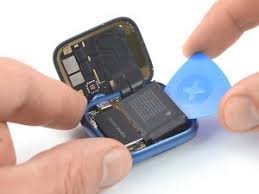
The complexity of the movement greatly impacts the price. A simple quartz watch might have a movement with only a few parts. An automatic movement, especially one with many jewels (small synthetic rubies that reduce friction), will be more expensive.
A Swiss-made automatic movement often carries a premium due to strict quality controls and renowned engineering.
Complications are extra features beyond just telling the time. These can include a date display, a stopwatch (chronograph), a second time zone (GMT), or even more complex functions like a perpetual calendar that accounts for leap years. Each added complication requires more intricate design and assembly, thus increasing the watch’s price.
A watch with a simple date function will be more affordable than one with a chronograph. Watches with tourbillons or minute repeaters, which are extremely complex and rare, can cost hundreds of thousands or even millions of dollars. These are considered haute horlogerie, or high watchmaking.
Here’s a look at how movements affect price:
| Movement Type | Typical Price Range (USD) | Key Characteristics |
|---|---|---|
| Quartz (Battery-powered) | $10 – $500 | High accuracy, low maintenance, affordable. |
| Automatic (Self-winding) | $100 – $10,000+ | Powered by wrist movement, intricate mechanics, craftsmanship valued. |
| Manual-wind (Hand-winding) | $500 – $100,000+ | Requires daily winding, traditional, often found in luxury/collectible watches. |
The table above shows that quartz watches are generally the most budget-friendly. Automatic and manual-wind watches, requiring more intricate engineering and craftsmanship, tend to be pricier.
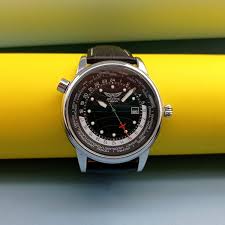
Watches can be grouped into different categories based on their style and purpose. This helps people find what they’re looking for. You have dress watches, which are usually slim and elegant for formal occasions.
Then there are sports watches, designed to be durable and water-resistant for activities like swimming or diving. Digital watches often have many features like alarms and calculators. Smartwatches are modern devices that connect to your phone.
Each category has its own set of features and price points. Dress watches often use premium materials like leather straps and polished metal cases. They prioritize a sleek design that fits comfortably under a shirt cuff.
Sports watches, on the other hand, are built for resilience. They might feature rotating bezels for timing, robust case construction, and higher water resistance ratings. Divers’ watches, a sub-category of sports watches, must meet strict ISO standards to be certified for underwater use.
Digital watches are known for their functionality and often affordability, especially those from brands like Casio. They offer a range of features that appeal to practical users.
Smartwatches represent a significant shift, blending timekeeping with advanced technology. Their pricing is influenced by features like GPS, heart rate monitoring, cellular connectivity, and app compatibility.
Here are some common watch categories and their general price considerations:
These watches are made for formal events. They are usually slim and have simple, elegant designs. Think of a watch with a leather strap and a clean dial.
They don’t usually have many extra features. Brands like Tissot or Seiko offer excellent dress watches at moderate prices. More luxurious options come from brands like Cartier or Jaeger-LeCoultre.
Built for adventure, these are tough and water-resistant. They can handle bumps and splashes. Features like a rotating bezel for timing are common.
Dive watches are a specific type of sports watch, very good for swimming deep. Brands like Citizen and Casio make very durable sports watches. High-end sports watches from brands like Breitling or TAG Heuer offer advanced features and ruggedness.
These watches show the time using numbers on a screen. They often come with extra functions like alarms, timers, and even calculators. They are very popular for their practicality.
Many affordable digital watches are available, especially from brands like Timex. Some digital watches, like those from G-Shock by Casio, are extremely tough and feature-rich.
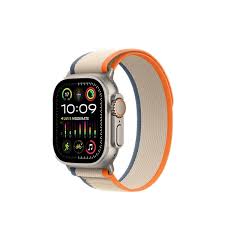
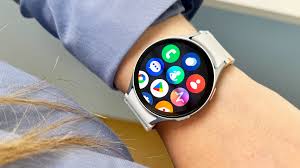
These are modern watches that do more than tell time. They connect to your smartphone to show notifications, track your fitness, and run apps. Apple Watch and Samsung Galaxy Watch are very popular.
Their prices depend on the features, storage, and cellular capabilities.
When you look at a watches price list, it’s important to find the best value. Value doesn’t always mean the cheapest price. It means getting a good watch for the money you spend.
Sometimes, a slightly more expensive watch from a trusted brand might last longer and be more reliable than a cheaper one. Think about what’s important to you. Do you need a watch for daily wear, special occasions, or sports?
Knowing this helps you find a watch that offers the best value for your needs.
Value is subjective and depends on your priorities. For some, value comes from brand prestige and the feeling of owning a luxury item. For others, it’s about the mechanical precision and craftsmanship of an automatic movement.
Durability and the ability to withstand harsh conditions are key for active individuals.
Consider the total cost of ownership. A cheaper watch might need repairs or
Looking for deals and sales can also help you get more for your money. Many retailers offer discounts during holiday seasons or special promotions. Pre-owned watches can also offer significant savings while still providing excellent quality and craftsmanship.
Here are some ways to find value:
Before buying, learn about the brands. Some brands are known for their excellent quality and durability even at lower price points. For example, Seiko is famous for its reliable and affordable automatic watches.
Citizen also offers great value with its Eco-Drive technology, which charges watches using light.
Many people buy high-quality watches and then sell them later. You can often find amazing deals on pre-owned watches. These watches have been inspected and are often in great condition.
Websites like Chrono24 or reputable local jewelers can be good places to look.
Retailers often have sales, especially around holidays like Black Friday or Christmas. Keep an eye out for these promotions. You might be able to get a more expensive watch for a lower price.
Joining mailing lists for watch retailers can alert you to upcoming sales.
Think about how you will use the watch. If you are very active, a rugged sports watch might be the best value for you, even if it costs more upfront than a delicate dress watch. If you only need a watch for formal events, a simpler, elegant design might be best.
This is not always true. While expensive watches often use better materials and have more complex movements, a well-made, affordable watch can be just as reliable and accurate for everyday use. A high-end watch might be very delicate and require careful handling, whereas a robust, cheaper sports watch might be better suited for an active lifestyle.
Price doesn’t automatically equate to suitability or superiority for every situation.
This is a common misconception. Many brands offer excellent quality watches at very reasonable prices. For instance, Japanese brands like Seiko and Citizen are renowned for producing highly accurate and durable watches with mechanical or solar-powered movements that cost under $500.
These watches can easily compete with some mid-range Swiss watches in terms of reliability and everyday wearability. The key is to research brands known for value.
While quartz watches are generally more affordable than mechanical watches, they are not necessarily inferior. Quartz movements are often more accurate than mechanical ones, require less maintenance, and are very reliable. Many high-quality brands incorporate quartz movements in their watches, especially for sports or digital models where accuracy and durability are paramount.
For example, Breitling offers popular quartz-powered chronographs.
Appearance can be deceiving. Two watches that look alike can have vastly different prices due to their internal mechanics, materials, brand heritage, and manufacturing processes. One might have a sophisticated automatic movement while the other uses a basic quartz module.
One could be made of solid gold, while the other is gold-plated. The craftsmanship, finishing, and the origin of the components also contribute to price differences.
Answer: Generally, basic quartz digital watches from mass-market brands are the cheapest. They use simple electronic movements and plastic or resin materials.
Answer: Swiss watches often command higher prices due to their reputation for quality and precision, but not all Swiss watches are expensive. There are many entry-level Swiss brands offering good value.
Answer: Water resistance ratings indicate how well a watch can withstand water pressure. For example, a 30-meter rating means it can handle splashes, while a 200-meter rating is suitable for diving.
Answer: Buying used can offer significant savings on high-quality watches. New watches come with a full warranty and the latest models, but often at a higher price point.
Answer: A good deal is when the watch’s price is fair for its brand, materials, movement, and features, especially if you find it on sale or pre-owned.
Choosing a watch from a watches price list is about more than just the numbers. It’s about finding the right fit for your needs and budget. By looking at the brand, materials, and movement, you can understand the value.
Don’t be afraid to explore different options. You can find a great watch that you’ll love for years to come without overspending. Happy watch hunting!